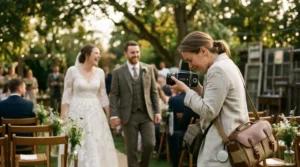
Cultural wedding ceremony planning religious traditions can feel like navigating a maze of customs, rituals, and family expectations all at once. It refers to the process of designing a wedding celebration that honors the religious beliefs, ethnic heritage, and family customs of one or both partners. Done well, it creates a ceremony that feels authentic, meaningful, and inclusive for everyone present. Done poorly, it can lead to hurt feelings, missed rituals, or a celebration that feels disconnected from what the couple actually values.
What Cultural Wedding Ceremony Planning Actually Means
At its core, cultural wedding ceremony planning religious traditions involves blending the sacred, symbolic, and ceremonial elements of a couple’s background into a cohesive wedding day. This might mean incorporating a Catholic Mass, a Hindu Saptapadi (seven steps ritual), a Jewish chuppah ceremony, or a Nigerian traditional engagement alongside a Western-style reception.
The goal is not simply decoration or aesthetic choices. Religious and cultural traditions often carry deep spiritual significance, legal requirements, and generational meaning that must be respected rather than treated as optional add-ons.
Common Elements Couples Must Consider
- Officiant qualifications and religious requirements (ordained clergy, imams, rabbis, or cultural elders)
- Sacred texts, prayers, or blessings specific to the faith tradition
- Ceremonial attire, colors, and symbolic garments
- Ritual objects such as unity candles, sacred threads, or ceremonial cups
- Dietary restrictions tied to religious observance
- Timing considerations, including auspicious dates or religious calendars
Why Understanding Religious Traditions Matters
Ignoring or misapplying religious customs is one of the most common regrets couples report after their wedding day. A ceremony that skips meaningful rituals, or performs them incorrectly, can feel hollow to family members who expected a full cultural experience.
Beyond emotional weight, some religious ceremonies carry legal significance. In many countries, a religious ceremony must meet specific criteria to be recognized as a legally binding marriage. Couples who overlook this risk needing a separate civil ceremony to make their union official.
There is also the matter of family harmony. Weddings often bring together multiple generations with different levels of religious observance. Thoughtful cultural wedding ceremony planning religious traditions can bridge these differences rather than create tension between families.
Practical Examples of Cultural and Religious Wedding Planning
Example 1: Interfaith Couples Blending Two Traditions
An interfaith couple, one Christian and one Muslim, might choose to hold two shorter ceremonies rather than one long combined service. The couple works with both a priest and an imam, selecting readings and rituals from each faith that complement rather than compete with one another.
Example 2: Honoring a Single Tradition Fully
A South Asian couple planning a Hindu wedding may schedule multiple pre-wedding events, including a Mehendi and Sangeet, before the main ceremony. Each event has its own dress code, rituals, and vendor requirements, meaning planning often spans several days rather than a single event.
Example 3: Modernizing Traditional Customs
Some couples reinterpret older customs to reflect modern values while keeping the spiritual core intact. For example, a couple might adapt a traditional dowry exchange into a symbolic gift-giving ceremony that honors heritage without the original financial expectations.
Best Practices for Planning a Culturally Respectful Ceremony
Couples navigating multiple traditions benefit from a structured approach. Consider the following steps:
- Have an early conversation with both families about which traditions matter most and why.
- Research the legal requirements for religious ceremonies in your country or region.
- Book an officiant experienced in interfaith or multicultural ceremonies well in advance.
- Choose vendors who understand cultural nuances, from florists familiar with symbolic colors to musicians who know traditional songs. Experts at cultural wedding ceremony planning religious traditions offer additional perspectives worth exploring.
- Create a printed or digital program explaining rituals to guests unfamiliar with the traditions.
- Build in extra time during the ceremony schedule, since multicultural weddings often run longer than single-tradition events.
Industry data indicates that couples who plan multicultural or religious ceremonies increasingly seek vendors with direct experience in those traditions, rather than generalists learning on the job. This makes early vendor research essential.
Finding the Right Vendors for a Culturally Diverse Wedding
One of the biggest challenges in cultural wedding ceremony planning religious traditions is finding professionals who genuinely understand the customs involved. A photographer unfamiliar with a Sikh Anand Karaj ceremony may miss key ritual moments, while a DJ unaware of cultural music traditions may struggle to keep guests engaged during a Sangeet or reception.
This is where a dedicated wedding vendors directory becomes valuable. Easy Wedding connects couples with photographers, venues, planners, and entertainment professionals across 13 countries and more than 160 regions, making it easier to find vendors experienced in specific cultural or religious ceremonies. Rather than starting from scratch, couples can browse vendor profiles, read about their specialties, and identify professionals who already understand the traditions they want to honor.
For couples working with multiple ceremony types, the platform’s wedding planner listings can also help identify planners who specialize in multicultural or interfaith weddings, reducing the guesswork of managing several sets of customs simultaneously.
Frequently Asked Questions
What is cultural wedding ceremony planning religious traditions?
It is the process of designing a wedding that honors the couple’s religious beliefs and cultural heritage. This includes rituals, officiant requirements, attire, and family customs woven into the ceremony.
Essential Ceremony Planning Guidance
Planning a wedding ceremony that honors your cultural and religious traditions requires attention to many moving parts. This video by Jamie Wolfer walks through the top ceremony planning tips that will help you navigate the key decisions—from structuring your vows to coordinating with your officiant and managing the flow of your celebration.
Do religious wedding ceremonies count as legally binding?
It depends on the country and religion. Some religious ceremonies meet legal requirements automatically, while others require a separate civil registration to be officially recognized.
How do interfaith couples plan a ceremony together?
Interfaith couples often hold two shorter ceremonies or blend selected rituals from each tradition. Working with officiants experienced in interfaith weddings helps ensure both faiths are represented respectfully.
How far in advance should couples plan a multicultural wedding?
Most experts recommend starting twelve to eighteen months ahead, since multicultural weddings often involve multiple events, specialized vendors, and coordination between families with different customs.
Can vendors specialize in specific cultural or religious traditions?
Yes, many photographers, planners, and musicians build expertise in specific traditions such as Hindu, Jewish, Muslim, or African ceremonies. Searching a wedding vendors directory helps couples find these specialists quickly.
What is the biggest mistake couples make with religious ceremonies?
The most common mistake is treating religious rituals as optional decoration rather than meaningful practices. This often leads to family disappointment or ceremonies that feel incomplete.
Summary
- Cultural wedding ceremony planning religious traditions requires respecting the spiritual and legal weight of each ritual involved.
- Interfaith and multicultural couples benefit from early, honest conversations with both families about priorities.
- Legal requirements for religious ceremonies vary by country, so verification is essential before the wedding day.
- Vendors experienced in specific traditions help avoid missed rituals or cultural missteps during the ceremony.
- Building extra time into the schedule accommodates the longer format typical of multicultural weddings.
- Platforms like a wedding vendors directory simplify finding photographers, planners, and entertainers familiar with specific customs.
Learn More With Easy Wedding
Planning a ceremony that honors religious traditions and cultural heritage takes research, patience, and the right team of professionals. Learn more about how Easy Wedding — wedding vendors directory and community connects couples with experienced photographers, venues, planners, and entertainment vendors across 13 countries, helping every celebration feel authentic to the traditions it represents.
Infographic